
Insight 03
Where Should You Spend Your Display Budget?
How to maximize your retail marketing budget.
Every retail program has a budget. The question is not simply how much to spend. It is where that spend will create the most impact.
One of the easiest ways to overspend on retail is to treat every component of a display as equally important. They are not. A shopper may notice a dimensional header, illuminated logo, unexpected shape or beautifully presented product. They probably will not notice that an internal structural component was made from a more expensive material than necessary.
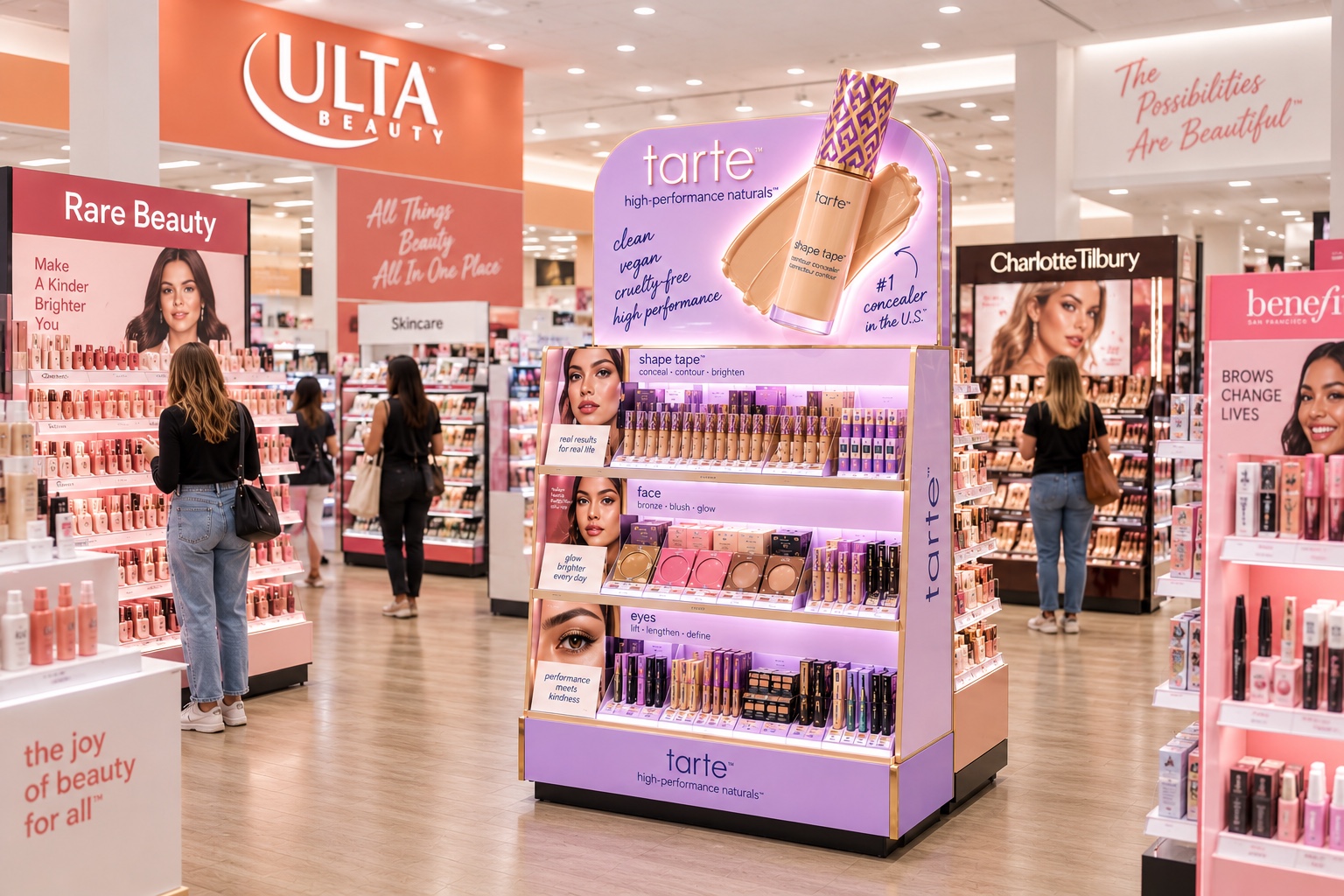
Our philosophy is simple: put the money where the shopper can see it, feel it or interact with it. Engineer everything behind that experience as efficiently as possible.
Know what you are building for
A six-week promotion and a three-year permanent fixture should not have the same cost structure. Before allocating budget, define the expected retail life, number of locations, product weight, replenishment needs and level of interaction.
A temporary launch may benefit from high-impact printed graphics and a lightweight structure. A permanent program may justify durable materials, integrated lighting or dimensional components because those investments are being amortized over a much longer life.
Think beyond unit cost
The least expensive display on a quote is not always the least expensive program. Freight, carton size, pallet efficiency, assembly labor, installation, replacement rates and damage can all materially change the final cost. Spending slightly more to reduce weight, simplify assembly or improve durability can sometimes lower the total program cost.
Volume matters too. Tooling for a formed or molded component may look expensive at the beginning, but spread across a large rollout, it can create a more premium display at a surprisingly efficient unit cost.
Protect the idea
Budget optimization should not mean removing everything interesting until the display is simply a shelf with a logo. Start by identifying the one or two things that make the concept special. Protect those. Then value-engineer everything around them.
The goal is not to build the cheapest version of an idea. It is to understand which parts of the idea are doing the real work and make sure the budget supports them. A smart retail budget does not spend evenly. It spends intentionally.